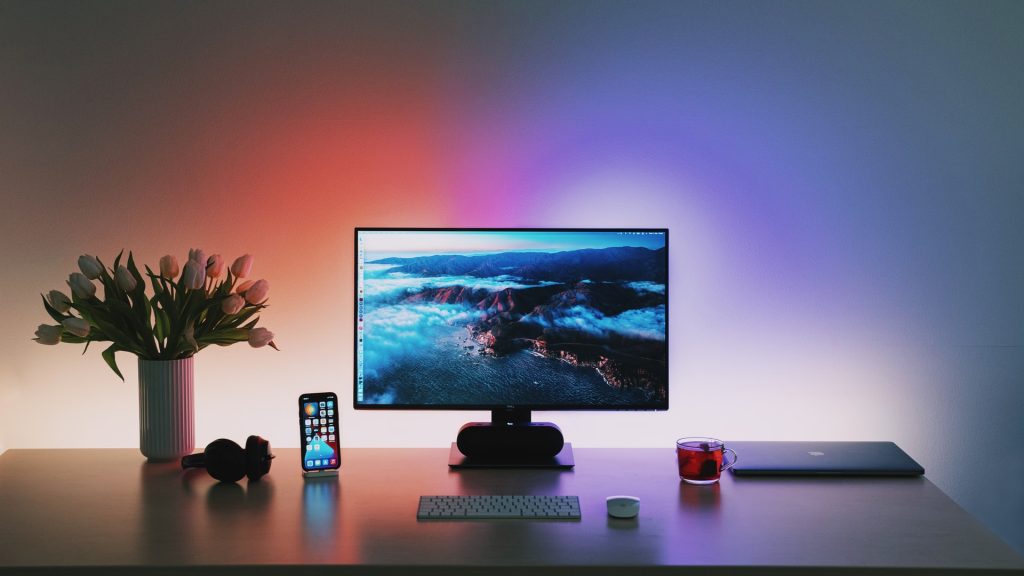
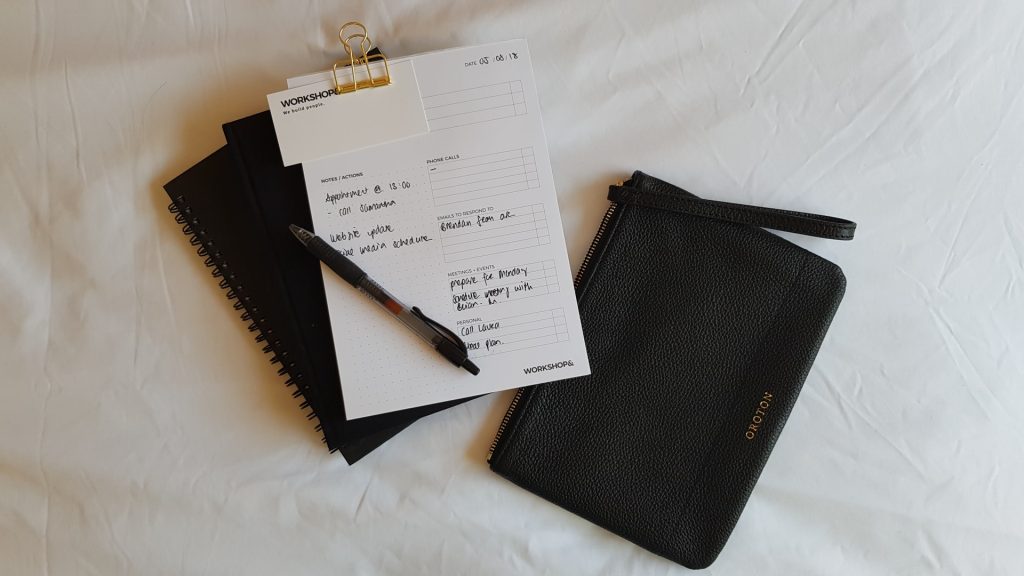
In the age of information overload, it’s hard to stay focused while studying. It doesn’t matter whether you’re in high school, college or grad school – blocking out the noise can feel like an uphill battle.
But with the right routine, environment and plan, you’ll find it much easier to concentrate and stay on task. Here are 12+ tips to help you stay focused while you study.
How To Stay Focused While Studying for Exams
If you have an exam coming up, you probably have limited time to study. Whether you’re cramming the night before, pulling an all-nighter or studying days ahead of time, you can use these tips to help you stay on track.
1. Avoid Distractions
Distractions are the biggest threat to your concentration, and they are everywhere.
Your phone
Your friends
Your TV
Your pets
It’s easy to get distracted when you have so much going on around you all the time. Do everything you can to kick distractions to the curb while you study, like:
Put your phone on airplane mode to avoid getting social media notifications or phone calls. Better yet – turn off your mobile device. Set a no cell phones rule for your study period.
Studying in a room without a TV. Sit outside if the weather permits and it’s a peaceful place.
Keep your pets outside of the room, or encourage them to settle down and relax while you study.
Let your friends know that you’ll be unavailable until you’re done studying.
Make it easy to avoid distractions and you’ll find that you’re better able to stay focused on studying for your exam.
2. Set Goals
It’s not enough to just say, “I’m going to study for the test.” If you want to stay focused and succeed in your study sessions, you have to set goals.
What do you want to accomplish during your session?
What material do you want to cover?
Make sure that your goals are:
Specific
Measurable
Time-specific
Attainable
For added motivation, give yourself regular rewards for achieving your study goals.
It’s much easier to stay focused when you have an objective to achieve and a plan to get there.
3. Create a Study Ritual
Staying focused can be challenging, but you may find it much easier to stay on track if you have a study ritual. These are tasks that you do every time you study, and they can help you get into the right state of mind for each session.
A ritual may look like this:
Head to your usual study spot at home (or wherever you normally study).
Set up your space. Gather all of the material you will need for your session.
Block out all distracting websites on your browser.
Set your phone to airplane mode or silent.
Set up any timers that you may be using for your study period.
Grab a glass of water and a snack.
Creating a study ritual doesn’t have to be complicated. It just has to help you get into the right frame of mind for studying.
4. Have a Dedicated Study Space
Your study environment will play a big role in your ability to stay focused. Creating a dedicated space for studying will make it easier to cut out distractions and just concentrate on the task ahead.
Ideally, your space should be:
Quiet. Avoid studying in the kitchen or other busy areas (like a coffee shop) where there’s bound to be noise and other distractions.
Comfortable. Studying at a desk or table will give you some space to spread out. Avoid studying somewhere that’s too comfortable, like the couch or a bed. You don’t want to fall asleep in the middle of your study session.
Well-lit. Low-light environments will make you sleepy and strain your eyes. Use a bright desk lamp or an overhead lamp to keep your space well-lit.
Clutter-free. A clean, organized space will make it easier to stay focused. Clutter can be distracting and even stressful, so keep your study space tidy.
Yours. There’s nothing wrong with personalizing your space. Hang inspiring photos, choose colors you love and make your space feel like yours. The goal is to create a study space that you want to be in.
These simple tips can help you stay focused when studying for an exam, but you can incorporate the tips below into your routine, too.
How To Stay Focused While Studying Another Language
Learning a new language is hard. But no matter what combination of learning methods you use, you still need to study. Dedicating time to learning the language is the only way you’ll reach any level of fluency.
But staying on track isn’t easy, especially if you’re already struggling with your studies.
If you’re having trouble staying focused when learning a language, here are some tips.
5. Slow Down
It’s harder to learn a language as an adult. Part of the reason why we struggle with grasping a new language is that we’re trying to cram as much as we can into every single session. And unfortunately, our adult brains tend to over-analyze things, which only makes it worse.
If you want to stay focused and actually retain the information you’re learning, then do yourself a favor and slow down.
Take the time to really absorb and understand each new thing you’re learning, whether it’s a new word or a new grammar rule. It’s much easier to stay focused when you’re not trying to rush from one thing to the next.
Take your time, and only focus on one thing at a time during your study sessions.
6. Study in Short Spurts
Many people assume that you have to study for hours every day to learn a language. You can spend that much time on learning (if you have it), but not everyone can really keep their focus and interest going for that long.
To stay focused, study in short spurts. Aim for at least 20 minutes per day total. That can be broken up into two or three hyper-focused study sessions, or all at once. The key is to break the materials down into manageable chunks.
Short sessions may help with your concentration and keep you from feeling overwhelmed.
7. Gamify Your Studying
It’s easy to stay focused and on track when you enjoy what you’re doing. With language learning – and for many other subjects – it can be challenging to make studying enjoyable. Gamifying your studying may help.
There are lots of language learning apps out there that help you learn and make it fun, too. They also incorporate different approaches, which makes it even easier to concentrate on your studies.
Apps like these are designed to keep you engaged, so you’ll enjoy learning.
How To Stay Focused While Studying at Night
Are you a student focusing on studying at night? It can be difficult to stay on track after a long day of classes and whatever other plans you had for the day. Here are some tips to help you stay focused.
8. Create a Study Plan
If you can only study at night, it may be helpful to create a study schedule. If you have a plan, you’ll be able to stay focused on whatever it is you need to accomplish on your to-do list.
Make a plan for what you want to cover and accomplish, and make sure that you stick to that plan. Block out time in your evening that’s just for studying and nothing else.
9. Listen to Classical Music
Studying at night can be challenging because you’re battle exhaustion and mental fatigue. But listening to classical music may help you stay focused and regain that mental energy you need to get through your session.
Studies have found that listening to classical music can help your brain absorb and retain information more easily. Music can engage your brain in a way that helps you pay more attention and make sense of the material that you’re learning.
Another study found that classical music helped older adults perform better on processing and memory tasks.
So, crank up some Bach and hit the books to improve your focus and the outcome of your study sessions.
10. Make Sure Your Study Spot is a Clean Space
Here’s a quick way to help improve your focus while studying at night – clean things up.
Research has found that clutter and disorganization can drain your brain’s cognitive resources. You’re studying at night when your brain is already tired, so it’s even more important for your space to be clean and tidy.
Clutter is a visual distraction that can lead to cognitive overload and hinder your memory. So, take the time to clean your space before studying to keep your brain in the game.
11. Take a Mental Break
It’s tempting to push yourself to study longer and harder, especially if you’re studying at night and just want to get it done.
But taking regular breaks is important for focusing and retaining the information you’re studying. Schedule in a 5-minute break here and there, or better yet, take a 15-minute break if you’re studying for a long period of time.
Research has found that taking at least a 5-minute break will give your brain a chance to refresh and increase your focus.
How To Stay Focused in College
Study time is even more important in college when your future and career are on the line. But how do you stay focused when you have so many other things going on? Here are some tips.
12. Get Regular Exercise
Make exercise a priority if you want to stay focused during your study sessions. Research shows that short bursts of physical activity can help improve concentration for up to one hour.
Staying active throughout the day can help you stay on track during your study sessions. Try hitting the gym or going for a walk or run before you sit down to study.
13. Get Plenty of Hours of Sleep
Sleep? When you’re in college? Who has time for it?
I know it’s hard to make sleep a priority in college, but it should be one. It’s difficult or impossible to stay focused when you’re dead tired. Concentration goes out the window. Sleep deprivation can severely impair your ability to stay focused, so do yourself a favor and get plenty of shut-eye if you plan to study.
15. Use White Noise to Block Out Distractions
Finding time to study is hard enough. It’s even harder to stay focused if you’re studying in a noisy dorm room or another loud place.
If you can’t find a quiet place to study, grab your earbuds and listen to some white noise. White noise can block out background noise, making it much easier to focus on the task ahead.
Final Thoughts
These tips will help you learn how to stay focused while studying, whether you have an upcoming exam, are learning a new language or are in college. With practice and consistency, you’ll find it much easier to stay on track during future study sessions.
Having trouble mastering meditation? You’re not alone. Sitting quietly with your thoughts isn’t easy. But mantra meditation can make it easier to get into that calm, still state while helping you be more positive.
For those of you who don’t know, mantra meditation is the practice of repeating a word or phrase and focusing all of your attention on it. All of that repetition and hyper-focus can help shut down those wandering thoughts.
Mantras are part of Hindu and Buddhist traditions, but mantra meditation doesn’t have to be a religious or spiritual practice. It can simply be a way to improve your well-being and wellness.
Mantra meditation is different from mindfulness meditation, but the benefits are similar.
7 Benefits of Mantra Meditation
1. Increased Focus
Like other forms of meditation, mantra meditation can improve your focus. In fact, the entire practice is all about focusing on a word or phrase (your mantra).
Each time your mind wanders, you bring your attention back to the mantra. Over time and with practice, it becomes easier to stay focused on the mantra. Essentially, you’re strengthening your focus muscle every time you practice.
2. A Calmer, Clearer Mind
A mantra meditation practice can help you achieve a clear, calm mind. In fact, there is some evidence that it may even help improve your brain health.
In one study, people with memory problems practiced a type of kundalini meditation involving chanting. After eight weeks of practice, participants saw an improvement in cognitive function and cerebral blood flow, which may help:
Reduce anxiety
Boost your mood
Give you energy
Improve memory
Give you peace of mind
Research from 2017 may explain why mantras have these psychological benefits. Mantra repetition synchronizes the left and right sides of the brain, which helps produce relaxing alpha brain waves.
Other research shows that repetition of a word or phrase can quiet the mind and prevent it from wandering. Likewise, mantras can keep you grounded and keep you from worrying about the past or future.
3. Improved Breath Control
Meditation, in general, can help improve your breath control, but mantra-based meditation has a slight edge. Chanting a mantra creates a rhythm, and your breath naturally follows that rhythm.
It takes a focused effort to synch your breath with your mantra. But, over time, your practice can help you better control your breath.
All of that slow, controlled breathing will also help you feel more relaxed.
4. Less Stress
In general, taking time out to relax and sit quietly can help reduce physical stress. Meditation takes this one step further by helping you stay in the present moment. When you’re not thinking about past or future stress, you can enjoy the moment.
How effective is mantra meditation at reducing physical stress?
In one study, HIV patients practiced transcendental meditation, a type of mantra meditation. Their daily meditation practice helped reduce intrusive thoughts while improving their quality of life.
With daily practice, this type of meditation can give you peace of mind while helping reduce psychological stress and chronic stress.
5. Positive Outlook and Emotions
Mantras are powerful things. Repeat them daily, and you can actually change your mindset. Practice it in group meditation and everyone will feel the positive energies you’re putting out there.
We are the stories that we tell ourselves. Each time you recite a mantra in your daily life, you’re rewriting your story. You’re replacing negative thoughts with positive ones. Mantras can be so effective at changing your outlook that therapists and wellness coaches use them themselves.
Let’s say that you’re feeling anxious today. During your mantra meditation session, you may focus on effective mantras for anxiety, like:
This too shall pass
I am strong
All is well
I am loved
I am safe
Each time you repeat your mantra, whether it’s out loud or in your mind, you are changing your thought pattern and can change your outlook for the day.
There are many ways to use this effect to your advantage. For example, adopting a daily morning mantra meditation can help you start your day with a positive outlook and productive mindset.
6. Improved Communication Skills
Mantra and even mindfulness meditation aren’t usually associated with communication skills, but they can indirectly help you express yourself more clearly and with care.
Daily meditation practice can help you maintain a calm mind and perceive the world around you without judgment. It’s not as easy to get riled up by disagreements, confrontations and unexpected life changes.
When you approach problems without judgment and with a clear mind, you can communicate more clearly and effectively.
In a world of distractions, staying focused can be a challenge. Even in the workplace, it’s hard to escape social media, text messages and other distractions vying for our attention. Unfortunately, focus isn’t something that comes naturally or easily. Like many other things in life, it’s a skill that you need to learn and improve.
It’s easy for your mind to wander and get lost in distractions when you don’t have a to-do list for the day. At the end of each workday, create a task list for the next day that includes everything you need to accomplish.
When creating your to-do list, start with the most important and time-consuming tasks. Tackling critical tasks and the most time-consuming tasks first will make the rest of your day feel like a breeze. This concept is known as Eat That Frog.
Eat That Frog! is a book written by Brian Tracy that provides helpful tips on how to stop procrastinating and get more done during the day. Tracy suggests doing the most challenging task of the day first so that the rest of the day feels easy and manageable.
We all have that one thing that we dread doing each day, and that dread makes us procrastinate and drag out the day – whether we realize it or not.
By creating a to-do list with the most difficult and important tasks first, you may find it much easier to stay focused and get more done.
You can create a good old-fashioned to-do list on paper, or you can use an online task manager like:
Your team may also have a collab or project management solution that allows individual team members to create their own task lists.
2. Ditch the Multi-Tasking
Many of us pile our plates so high that we wind up trying to juggle multiple things at once. When you’re in the moment, multi-tasking may seem like you’re getting more done, but in reality, you’re probably taking longer to complete each individual task.
Research shows that trying to do more than one task at once can really hurt productivity, especially if they are complex tasks. The more complex the tasks, the more time you lose when switching your focus.
If you have a habit of multi-tasking, it may be making it harder to remain focused at work. Rather than trying to do it all at once, try staying laser-focused on one task at a time. Remember that to-do list you created? Go through each item one by one. Try to avoid phone calls, text messages and other distractions while you’re accomplishing each task.
When you can put all of your focus and effort into one task, it will be much easier to get the job done faster and more efficiently.
3. Plan Your Day
Creating a to-do list is a great first step and can help you stay focused on just one task at a time. But it’s also helpful to plan out your day.
For example, you may work for three straight hours before taking a 20-minute break or stopping for lunch. Break your day into chunks and plan what you’re going to get done during each chunk.
When you have your days mapped out, it’s much easier to stay on track. And if you do lose focus or fall off the bandwagon, you know exactly where you left off and what you need to do next.
Planners are helpful for mapping out your day, but you can also use Google Calendar or any other online calendar to plan your days.
4. De-Clutter Your Workspace
Looking for tips on how to stay focused working from home? Start by looking at your workstation. Is it cluttered or disorganized? If so, it’s time for a little spring cleaning.
Even if you’re working at an office, co-working space or out on the road, it’s important to make sure that your workspace is clutter-free and organized.
Why? Because clutter can lower your productivity and even lead to procrastination or avoidance strategies. In other words, clutter is distracting. For some of us, it’s downright stressful.
The brain likes order. When your space is disorganized and chaotic, it drains your brain’s energy and makes it harder to focus. Research has found that removing clutter from a home or workspace makes it easier to process information, focus and get things done.
Getting organized is easier than you think. Here are some tips:
If your desk is cluttered with files and paperwork, invest in a filing cabinet or file folder holder. Desk organizers can also store papers and files neatly on your desk.
Limit the knick-knacks on your desk to just one or two.
Keep the items that you use most often within reach of your dominant hand.
Use shelving to display personal items and free up desk space.
Store pens and pencils in one convenient place.
Ditching the clutter and organizing your space will make it easier to stay on task and get things done more efficiently. If you’re having trouble letting go of things, try going slowly and removing just one item at a time until your space becomes more manageable.
5. Create a Productive Home Workspace
Many people are looking for tips on how to stay focused while working from home. Even if you’ve been working from home for a while, you may be struggling to be productive. It’s easy to get distracted by chores or other people in the house.
If you’re working from home, it’s important to create a space that promotes productivity instead of hindering it.
Here’s how:
Establish a dedicated workspace in your home. This could be a separate room or a designated corner of your kitchen, living room or bedroom. Having a designated space for work will make it easier to get into that mindset and stay on task.
Keep it quiet. Choose a peaceful space in your home to work. Noise and distractions will only make it harder to get things done. For example, working at the kitchen table when the kids or your partner are getting ready to leave for the day will make it nearly impossible to stay focused and get things done.
Make sure your workstation is clean and organized.
Give yourself a view of nature if you can. If you can’t work near a window, try adding some greenery.
Allow in as much natural light as possible.
Your home work environment should help you stay productive and focused. Try a few of these tips or sit down and consider your ideal work environment. Create a space that you look forward to coming into and one that helps you get into that focused, “flow” state.
6. Set Clear Goals
If you have tasks or projects that you need to complete, make sure that they are clear. Clarifying your goals and daily tasks can help you stay on point and create a plan of action.
Your goals should:
Be clear, specific and concise
Have an expiration date
Have a way to track your progress
Whatever you need to accomplish, make sure that you set clear and specific goals. Doing so will give you a clearer picture of what needs to be done and how you’ll get there.
7. Schedule in Distractions
It’s virtually impossible to completely eliminate distractions from the workplace. Whether it’s chatting with co-workers or getting engrossed in that cat video your friend sent you, distractions are everywhere.
To set yourself up for success, schedule in distractions. Use some of your break time to check your phone, call a friend or hop on social media. For this to work, you need to be dedicated and strict.
8. Establish Boundaries
If you want to stay focused at work, it’s essential to establish boundaries. By setting boundaries, you allow yourself to stay on task without distractions, like phone calls, a chatty co-worker or emails asking for an update on another project.
Here are a few ways to establish healthy boundaries in the workplace:
Say “no” to things. If you continue to pile more onto your plate, you’ll never get anything done.
Block off time on your schedule for tasks. During that time, ditch the distractions and stay focused only on the task at hand.
Communicate your values and priorities. Maybe you’ve decided to stay focused on important tasks from 2-3 pm each day. Let your co-workers know that you will be unavailable for phone calls, emails, or chats for that hour. You may still need to be available for your boss or unexpected emergencies, but you’ll eliminate unnecessary distractions.
9. Keep Your Web Distractions in Check
If you spend your day working at a desk from an internet-connected desktop or laptop, it’s not always easy to stay focused. After all, you have a million distracting websites right at your fingertips. Of course, it doesn’t help that we all have smartphones that can just as easily connect us to those distracting websites.
So, how do you keep your web distractions in check?
Turn off Wi-Fi – if you can. You can’t get lost in a sea of web distractions if you can’t access the internet.
If you need an internet connection for work, you can use tools like Cold Turkey or SelfControl to block certain websites while you’re working. Just create a list of websites to block, and you’re well on your way to working distraction-free.
It’s much easier to stay focused and on track when you’re not constantly tempted to find a distraction online.
10. Limit Social Media Use
Worldwide, people spend an average of 2 hours on social media. It may not seem like a big deal to check Facebook, Instagram or Twitter while you’re doing a menial task like answering emails. However, those few minutes add up throughout the day. And if you get stuck down a rabbit hole, you may find yourself on social media for 10-20 minutes at a time.
If you want to be a more productive worker, limit your social media use at work.
Some of you may have the discipline to do this without any help. For the rest of us, there are blockers that will limit your access while you’re at work.
Some of the most popular social media blockers are:
Freedom. Available for Windows, Mac, iOS, Chrome and Android, this app can be used on virtually any internet-connected device. The only downside is that it has a monthly subscription fee.
RescueTime, which works as either a browser plug-in or an app. RescueTime tracks the amount of time you spend on sites, programs and documents. But it can also block certain websites for a set period of time. Plus, you get access to other productivity tools like goal-setting, and it integrates into Calendar or Slack.
FocusMe is another app that works on Windows, Mac and Android. It allows you to create your own routine for web browsing, work and more. You can even set productivity goals. Of course, it also blocks distractions. Even if you try to delete an app or stop the timer, FocusMe will continue to block distractions.
If you’re struggling to stay off social media during the workday, one of these apps may help.
11. Start A Meditation Practice
If you’re having trouble staying focused at work, start a meditation practice. Meditating first thing in the morning can help you get started on the right foot and with the right intention.
Over time and as you master the practice, you may find that it’s much easier to stay focused without needing additional tools or technology to block distractions.
In fact, research has shown that even brief periods of mindfulness meditation can help improve attention. And Italian neuroscientist Giuseppe Pagnoni’s study found meditators are better able to control wandering thoughts and prevent them from spiraling out of control.
Pagnoni looked at brain scans of experienced meditators and those who had never meditated. Compared to novices, those who were experienced meditators had increased stability in the ventral posteromedial cortex (vPMC) area of the brain, which is linked to wandering and spontaneous thoughts. In other words, they were better able to stop distracting thoughts from becoming all-consuming.
In the workplace, being able to control your wandering thoughts would be an advantage.
In general, living more mindfully can help you stay more focused while potentially curbing stress and anxiety.
12. Stay Active
Most of us lead sedentary lives. We work desk jobs, and we drive everywhere. All of that pent-up energy can make it hard to stay focused.
Exercise is crucial to both your mental and physical health. In addition to helping maintain a healthy weight and body, exercise can help you stay more focused at work.
Research has shown that moderate and high-intensity physical activity can help improve concentration, memory and problem-solving. You can get these effects from just one workout, and the results last for up to two hours.
Along with better focus, you can enjoy higher energy levels.
Exercising before work can help you take advantage of the focus-boosting effects of exercise, but you only need a few minutes to see a difference. So, if you can’t get in a workout before you start your day, a brisk walk on your lunch break can help.
If you get 15-minute breaks throughout the day, you can also use this time to stay active and help boost your focus when you get back to work.
13. Break Down Big Projects into Bite-size Tasks
When a big project lands on your desk, it’s hard not to feel overwhelmed by it all. Those feelings of being overwhelmed can cause you to procrastinate and make it hard to concentrate on work.
To make more significant projects feel more doable, try breaking them down into bite-size tasks. You can do this by breaking the project down into:
Phases
Parts
Categories
From here, you can then break each one down into tasks. Start by:
Identifying tasks
Determining which tasks are priorities
Setting deadlines for completing these tasks
By setting deadlines for your tasks, you ensure that your project moves along at a steady pace. At the same time, you feel rewarded and motivated each time you check a task off your list.
It becomes more manageable and less overwhelming when you break a big project down into bite-size tasks. Yes, the entire project may be a big undertaking, but you can certainly handle each individual task.
14. Make Sleep a Priority
A lack of sleep or poor quality sleep can make it hard to stay on track. After all, sleep deprivation makes you feel groggy and sluggish. Your reaction time isn’t on point, and your brain, essentially, turns to mush.
Research shows that sleep deprivation has a negative effect on cognitive function. So, when you try to stay focused on a task at work, it feels like you’re trudging through mud.
To stay focused and on task, make sleep a priority. Aim to get about eight hours of sleep each night, and do your best to wake up and go to bed at the same time every night.
It’s not always easy to remain focused at work, especially if you have to deal with noisy distractions and a pile of tasks each day. These tips can help you learn how to focus on work, so you can get more done and waste less time.
If you’re having trouble falling asleep at night, you’re not alone. An estimated 70 million Americans have chronic sleep issues. The problem isn’t necessarily a medical one (although it can be). In many cases, it’s just a matter of learning how to wind down for the night and establishing a healthy sleep routine.
If you’re not sure where to start, we have some simple tips to help you relax before bed. Winding down for the night isn’t as hard as it seems!
14 Ways to Wind Down for the Night
1. Disconnect from Social Media
If you want to wind down before bed and calm your mind, disconnect from social media. Close out Instagram, Facebook, Twitter and whatever other social media apps you use for the night.
Here’s why social media is sabotaging your sleep:
Smartphones emit blue light that messes with your body’s production of melatonin and your circadian rhythm. When your sleep-wake cycle is out of whack, it’s harder to fall asleep and wake up in the morning.
Social media keeps your mind stimulated. Whether you’re chatting or just scrolling, the content you see will keep your mind going.
To give your mind a chance to settle down and relax, try closing out all social media apps an hour or two before bed. If you’re used to scrolling or chatting before bed, try doing one of the other relaxing activities on our list instead.
2. Diffuse Essential Oils
Aromatherapy is a great way to unwind at the end of the day. The right essential oils can make you feel more relaxed and ready to drift off to sleep.
Aromatherapy’s effectiveness is more than just hearsay.
One study looked at the effects of aromatherapy on sleep, anxiety and blood pressure in cardiac ICU patients. The aromatherapy group had less anxiety, lower blood pressure and better sleep after cardiac stent insertion compared to the control group.
Here are some great essential oils for winding down:
Lavender
Chamomile
Clary sage
Rose
Bergamot
Valerian
Jasmine
You can also find essential oil blends made just for sleep or relaxation.
3. Use White Noise
Sometimes, it can be challenging to relax and unwind at night because there’s just too much noise around us. It could be neighbors, other family members or just the traffic outside.
A white noise machine can help block out noise that may be keeping you from relaxing and getting into that sleep state of mind. And once white noise becomes part of your nightly machine, your mind will associate the sound with sleep and make it easier to fall asleep.
Best of all, most white noise machines are small and portable, so you can take them with you wherever you go.
4. Get Moving
Exercise and sleep are intimately linked. Just 30 minutes of moderate cardio exercise a day can help you sleep better. And you can start seeing results immediately. Even if you haven’t exercised in years, getting moving for just 30 minutes today can help you get better sleep tonight.
Avoid exercising too late in the day or you’ll feel energized instead of tired before bed.
5. Try Breathing Exercises
Whether you’re feeling stressed or just having trouble quieting your mind at night, deep breathing exercises can help you relax and unwind.
The great thing about breathing exercises is that you don’t need anything special to get started. You only need a few minutes of your time.
Here’s a simple breathing exercise to try:
Start by lying down with your legs straight out in front of you. Keep your legs slightly apart and your arms gently at your sides, palm sides up.
Place one hand on your chest and the other on your stomach.
Close your eyes.
Take a deep breath in and focus on filling your abdomen.
Exhale slowly.
Repeat for 5-10 minutes or however long you have.
Practice this breathing exercise every night and before bed to help your body get into a more relaxed state and ready for sleep.
6. Improve Your Sleep Hygiene
One of the best ways to wind down for the night is to work on your sleep hygiene. Establishing a solid night routine can help you fall asleep faster and wake up feeling more refreshed. When you practice the same habits every night, it will let your body know it’s time for bed. As a result, your body will naturally learn to relax and get into the right mindset for sleep.
The first step is to go to sleep and wake up at the same time every day.
Here are some other ways to improve your sleep hygiene:
Give yourself 30 minutes for winding down.
Try to avoid taking naps during the day. Overdoing it with naps can make it harder to fall asleep and stay asleep.
Set the mood. Dim the lights, put your smartphone away and slip into something comfortable.
Keep the room at a cool temperature. Experts say that 65 degrees Fahrenheit is ideal for sleeping.
Use black-out curtains if your room is too bright at night. Light can mess with your circadian rhythm.
Use comfortable blankets and sheets.
Invest in a high-quality mattress and pillow.
The important thing is to create a comfortable, relaxing environment for sleep and winding down.
7. Take a Relaxing Warm Bath
It may sound cliché, but a relaxing bath may be just what you need to wind down at night. Make it a part of your nightly routine and do it with intention.
Make it a bubble bath or use bath bombs.
Light some candles.
Diffuse some essential oils.
Put on soft, calming music.
Make sure that you give yourself time to enjoy and relax your bath. Don’t rush it, and don’t let distractions get in the way.
8. Read a Book
Instead of scrolling on your phone before bed, try reading a book instead. Reading is a great way to relax and unwind after a long day.
In addition to helping you relax, reading can:
Improve sleep quality
Help improve your cognition over the long-term
Improve creativity
Making reading a nightly habit can help you learn new things and even improve your focus during the day.
Choose any book that you love. It can be fiction, self-improvement, health, business or non-fiction. Just make sure that it’s engaging and entertaining.
9. Listen to Calming Music
Music can be a great way to unwind before bed, especially when choosing calming music.
One study found that listening to music can help you fall asleep faster. In that study, the participants started listening to music before bed. It took them 37-69 minutes to fall asleep before the study. However, once they added music to their nightly routine, they were able to fall asleep in just 6-13 minutes.
Along with falling asleep faster, the participants also found that their sleep quality improved.
Steer clear of energizing music if you want to relax and fall asleep. Classical or meditation music can set that calming atmosphere that can help you get into the right state of mind.
10. Write in Your Journal
Stress and anxiety about the next day can make it harder to wind down and relax before bed. Journaling can help reduce worry and stress while improving sleep quality.
Set aside 10-15 minutes before bed for journaling. What’s making you anxious about tomorrow? Can you create a to-do list to help you tackle the day’s tasks?
You can also journal about the positive experiences you had today or the things you are grateful for.
Writing about your worries can be very therapeutic and practicing gratitude before bed can help you sleep more soundly.
11. Try Stretching
Stretching is a great way to ease tension, improve blood flow and help you feel more relaxed before bed. With all of that stress and tension out of the way, you can get into a deep state of relaxation, making it easier to fall asleep.
Your nightly stretching routine doesn’t have to be complicated either.
Sleep can be elusive when we have so many things on our minds. Calming your mind and letting your thoughts drift away can help you slip into a state of relaxation that makes it easy to fall asleep.
Like stretching, meditation can help ease tension and stress.
If you’re new to meditation, you may find it easier to use a guided meditation practice to help you learn the ropes.
Here’s a guided meditation to help you get started:
Winding down for the night is an integral part of the sleep process. Use these tips to help you get into a more relaxed state before turning in for the night.
Sleep is crucial to your health, whether you’re trying to live a mindful life, build muscle or simply live your best life. But, if you’re like most people, you want to know how to get to bed on time because you procrastinate.
However, there’s a psychological and societal reason why people stay up late and can’t get to bed early.
If you think about your day, chances are you:
Get up
Shower
Do your daily grooming
Eat breakfast
Head out to work
As usual, you’re stressed at work, struggling through the day and something won’t align with your goals for the day.
Maybe you lose 10 minutes stuck in traffic, and you need to pick up coffee because you know that without it, you’re going to be super grumpy in the morning. Add in the extra few minutes talking to your neighbor or walking the dog, and you barely have time to sit down.
It’s crazy how you start the day with the intention to get things done, but because you can’t stop staying up late, you just don’t have time to do everything you want to do.
So, what happens? Procrastination, or as some people call it, “revenge procrastination.”
You sacrifice sleep for more free time.
I do it, too. In fact, even the CEOs of the world that brag about sleeping 2 – 4 hours a night are sacrificing sleep for something else. Most people want to learn how to go to bed on time but won’t fix the main issue: lack of free time in your schedule.
We will discuss how to go to sleep earlier, stop staying up late and begin doing it today.
How to Get to Bed on Time Tonight Using 6 Sleep Hacks
1. Create a Good Sleep Routine
Yup. You need a routine. It’s easier to do pretty much everything with a plan. But, what should your sleep plan be?
Thankfully, there are sleep statistics that explain how much sleep the average person needs per night:
Age Group
Sleep Recommendation
6 – 12
9 – 12 hours of sleep
13 – 18
8 – 10 hours of sleep
18 – 60
7+ hours of sleep at night
61 – 64
7 – 9 hours a night
65+
7 – 8 hours a night
I know that’s it really easy to roll your eyes and skip this step. However, if you want to know how to get to bed on time, you need to know what “on time” means for you.
Use the table above to create your sleep plan. Insufficient sleep and a poor bedtime routine will have compounding consequences that force you into a destructive sleep pattern.
If you need to go to school or work and leave the house by 8 am, you’ll need to figure out how long it takes you to get ready in the morning, cushion it by 20 minutes and then determine what time to go to bed.
For example, if you need 1 hour to get ready in the morning, add 20 minutes to this time and you should be waking up at 6:40 in the morning. If you sleep 7 hours a night, you need to be sleeping (not sitting in bed thinking about the day) by 11:40.
2. Take a Shower or Bath – It’s Up to You
Do you want to know how to start going to bed earlier? Take a bath – or a shower. And you’ll also benefit from saving time in the morning.
A 2019 clinical review found that a 10-minute shower or bath about one or two hours before bedtime led to less sleep onset latency.
Why?
It likely has to do with a bath or shower changing your body temperature before bed.
So, as part of your bedtime plan, make it a point to add your shower into the mix.
3. Start with 15-minute Sleep Adjustment Increments
You already have a sleep routine that isn’t indicative of going to bed on time. And while it sounds great to change your sleep habits overnight, you’re likely setting yourself up for failure with such a drastic change.
Instead, you’ll want to make small sleep adjustments, initially.
Let’s say that you normally go to bed at 1 am, but you want to get to sleep earlier, you’ll want to make sure that you’re sleeping by 12:45.
After a day or two of going to bed 15 minutes earlier, you can readjust your schedule to go to bed at 12:30 and repeat until you hit your sleep time goal.
4. Take the Time to Stretch or Do Yoga
If you like to stretch or do yoga, you can add them to your before bed routine. There are many benefits to this bedtime ritual, including:
Aids in sleep
Eases pain
However, you don’t want to engage in fast-paced yoga or exercise before bed because it will have the exact opposite effect. A general rule of thumb is that if you’re sweating when stretching or doing yoga, slow down because you’re doing too much.
5. Exercise to Improve Your Nightly Sleep
Want to know how to get to bed on time? Exercise. A lot of people are filled with energy when their head hits the pillow, so they’ll spend hours thinking about the day, the next day, work, not falling asleep and so much more.
Exercise helps you reach deep sleep and will deplete your energy, too.
However, some people find that they can’t sleep well if they exercise too close to bedtime. Instead, try exercising a few hours before bed to see if it helps you repay some of your sleep debt.
6. Get Stuff Done During the Day
Getting to bed on time is not easy when you have no free time. The phenomenon of bedtime procrastination shows us that we’ll fight our natural body clock, suffer from poor sleep quality and enter sleep debt because we don’t have enough free time.
Why?
Many people procrastinate and never get what they need to get done before bed.
And since you’re doing chores, cooking, cleaning and doing everything in between until an hour before bed, you’ll stay up later. You’ll watch an extra episode of your favorite television show, FaceTime friends or troll social media because you want free time for yourself.
If you’re stuck in this rut and want to get to bed on time, you should try getting everything on your to-do list done during the day.
How to Get to Sleep Earlier by Changing Your Sleep Environment
If you want to learn how to sleep earlier and wake up early, you need to create an environment that is perfect for sleep. A few of the hacks to fall asleep earlier are:
Change the thermostat. What’s the perfect sleep temperature? Studies suggest that your room should be between 60°F and 67°F if you want to maximize REM sleep – which you do.
Remove distractions. Want to learn how to go to bed early? Get rid of the distractions that are keeping you awake. For example, it makes no sense to try going into bed earlier and then staying on your phone or laptop for 20 minutes. Instead, turn your phone upside down, leave the laptop in a different room and reserve your space for just sleeping. Also, try to keep your last screen time 20 – 30 minutes before you want to go to sleep.
Darken the room. When I lived in an apartment, there was a bright light shining into my room in the middle of the night. There’s only so much tossing and turning, putting the pillow over my head and wishing that the electricity would go out that a single person could handle. Instead, I learned to darken the room. Blackout curtains were draped over the window, the sun never shined through, and if the world were ending, I would never have known. But. I could get to bed on time and sleep like the dead.
Drown the noise out. As you can imagine, living in the bottom apartment also led to a lot of noise. Hearing children scream and jump from the heavens on to the ground jolted me out of bed for months. However, a white noise machine helped shut the unwanted noise out of my space and allowed me to sleep. If you have a lot of noise that keeps you awake at night or wakes you up before the alarm clock, try finding ways to eliminate the noise.
When trying to go to bed earlier, these tips really help. However, you can also try out natural sleep aids. A few of the hacks that work amazingly if you toss and turn a lot in bed, are:
Tea. Herbal tea may be a good option for you. Chamomile tea can help you relax and fall asleep. However, if you get up in the middle of the night to go to the bathroom already, you may want to skip this one.
Melatonin. Sleep experts recommend melatonin because it helps you induce sleep by regulating your circadian rhythm. If you have a sleep disorder or can’t seem to get sufficient sleep, melatonin supplements can help. However, these supplements should only be temporary and not relied on forever. Also, if you take too much melatonin, you might suffer from daytime sleepiness.
You can also try aromatherapy or other ways to wind down for the night. In fact, we wrote an entire post on this very subject.
Are you a night owl that is trying to figure out how to stop staying up late at night? Sleep schedules are hard to maintain if you stay up late. An excellent checklist for how to get to bed early and stop staying up late are:
Get stuff done during the day
Stop feeling like you deserve extra time to stay up late
Reduce blue light before bed (no smartphone)
Slowly make the change
Exercise
Stretch
Avoid caffeine, energy drinks and stimulants
Avoid nicotine of any kind
Skip naps
Don’t watch TV or read in bed
Get ready for bed before you’re tired
Nighty, Night!
Now that you know how to get to bed on time, it’s up to you to commit to following your sleep routine. Sure, you can go to a sleep specialist if nothing else works for you, but healthy sleep habits start with you.
A little effort, and following some of the tips above, will help you fight back against the effects of sleep deprivation, set an earlier bedtime and actually go to bed on time.