Adults are meditating more. In fact, a 2017 survey found that the number of adults that meditated in a previous 12-month period rose from 4.1% in 2012 to over 14.2% in 2017. If you want to start on your own path to mindful living but can’t seem to find the motivation, the benefits of group meditation may help.
Why?
The science behind meditation is promising and you don’t need to spend a dime. You can meditate with friends, family or, if you wish, you can also go to an official meditation group in your area that will cost money.
But today, we’ll outline why group meditation may be good for you (it’s definitely not for everyone). However, if the practice of meditation is something you’re interested in but you can’t seem to fit it into your daily rituals, regular practice in a group setting will definitely help.
7 Benefits of Group Meditation
1. Group Meditation Keeps You Motivated
A lot of people practice mindfulness and meditation on their own. For me, personally, I prefer to meditate outside of a group setting. I find groups make me feel self-conscious, and then I rely too much on the group.
However, studies on doing activities in groups indicate that a group setting can lead to:
Intrinsic motivation
Greater consistency
Enhanced social skills
Boosted engagement
Stanford conducted a study on motivation, which shows how group exercises work well. Many of these will translate to group meditation benefits, although the study was not based on meditation.
Note: Group meditation may or may not be for you. If you find that you’re 100% reliant on the group and if the group disbanded you wouldn’t meditate on your own, this can be detrimental to your practice. For example, many people do this with the gym. They’ll find a partner, stay motivated and never go when their partner isn’t there. Don’t become too reliant on one person as the reason for attending a mindfulness meditation group.
2. Meet Like-minded Friends
Socialization is another reason to join in group activities. If you want to expand your friend circle or get to know like-minded people in your area, group meditation may be a good option for you.
However, there are a few points to remember here:
Don’t try talking to anyone in the middle of the class
Get to the meditation early if you want to mingle
Be mindful that some people may not be there to socialize
Finally, we’re going to go deeper into the benefits of group meditation to see how meditation can help your emotional and physical health.
3. Reduce Stress Levels
Stress is a part of life. Right? If you’re alive, there’s always some sort of stress each week. Perhaps you’re stressed about work, money, relationships, or someone being sick – there are many reasons to be stressed.
However, did you know that meditation reduces stress?
In fact, a mindfulness-based meta-analysis of 209 studies found that meditation can help improve quality of life by significantly reducing:
Stress
Anxiety
Depression
With that said, don’t expect to experience this benefit immediately during your first group session unless you know how to meditate properly. Often, you’ll meditate for the first time and fall asleep, or you may start worrying about your focus, which is jumping to everything from what you’re going to eat for dinner to work.
If you want to reduce your stress by meditating, be sure to give it multiple sessions.
You won’t instantly feel the weight of the world lift off of your shoulders after a single group meditation. But, over time and with weekly or daily meditation practice, your stress levels will eventually fall.
4. Lower Your Blood Pressure
One of the main benefits of meditation is reducing blood pressure. You can achieve this through multiple meditation styles, but mindfulness meditation works exceptionally well for lowering blood pressure.
2012 review found that in people with high blood pressure, meditation could reduce both SBP and DBP.
2019 study involving 2 hours of meditation each week for eight weeks found that participants who meditated had lower DBP, resting BP and SBP levels.
We’re not saying that you’ll avoid heart disease or a heart attack by meditating, but you can reduce your blood pressure and stress.
In fact, if you read through the studies linked above (please do, they’re great resources), you’ll find that there are small or modest reductions that researchers state are meaningful.
5. Learn How to Meditate With a Leader
If you’re just learning, join a class that is being taught by a meditation expert. Many classes are thrown together by friends or someone that likes the aspects of meditation but isn’t an expert.
And there is nothing wrong with these classes and they are many people’s first meditation experience.
However, if you’ve never taken meditation courses before or need a little extra guidance, a group meditation class guided by an expert is ideal.
If you have trouble staying focused at work or in your general life, meditation can help. Oftentimes, people meditate to:
Relieve stress
Blast away anxiety
Clear their mind
And when you’re not stressed or anxious, you’ll be more productive. However, you may want to try transcendental meditation if you want to be more productive. Studies show that this form of meditation works well for productivity and also helps people relieve job tension and anxiety.
One thing to note is that regular meditation is key to enhancing your productivity.
Don’t expect your productivity to soar after one or two meditation sessions.
7. Blast Away Anxiety
Do you have anxiety? If so, you’re not alone. 40 million people in the US alone have anxiety. Meditation has been thoroughly studied for its impact on anxiety.
A 2010 meta-analysis of 39 studies found that mindfulness meditation provided moderate anxiety relief in people that didn’t have mood disorders. However, individuals who entered the studies with mood or anxiety disorders experienced a much higher rate of anxiety reduction.
If you have general anxiety disorder (GAD), this 2013 study is what you want to read. Researchers found that in people with GAD, anxiety levels fell after meditating. Stress levels also fell after meditating for this group.
What About Online Group Meditation Benefits?
Online group meditation also offers the same benefits. In fact, if you can’t find the time to join a group near you, don’t want to deal with the traffic or simply rather try meditating online, you should.
A few of the great benefits of an online meditation group are:
Many groups are free
Join groups from leaders worldwide
Classes at varying times of the day and night
No need to drive or deal with traffic
And, you’ll also experience the same great group meditation benefits listed above from the comfort of your own home. That’s the magic of meditation: you can meditate wherever you are in the world.
If you want to experience the benefits of group meditation, join a local class, lead a group meditation class yourself or attend one online. And if you have friends interested in joining a meditation session, start your own group among friends.
Together, you’ll experience the effects of meditation while strengthening your friend circle in the process.
PS: Group meditation is just one method of meditation. You can find dozens of different forms to practice, including two which we recently wrote about: mantra meditation and candle meditation.
Having trouble mastering meditation? You’re not alone. Sitting quietly with your thoughts isn’t easy. But mantra meditation can make it easier to get into that calm, still state while helping you be more positive.
For those of you who don’t know, mantra meditation is the practice of repeating a word or phrase and focusing all of your attention on it. All of that repetition and hyper-focus can help shut down those wandering thoughts.
Mantras are part of Hindu and Buddhist traditions, but mantra meditation doesn’t have to be a religious or spiritual practice. It can simply be a way to improve your well-being and wellness.
Mantra meditation is different from mindfulness meditation, but the benefits are similar.
7 Benefits of Mantra Meditation
1. Increased Focus
Like other forms of meditation, mantra meditation can improve your focus. In fact, the entire practice is all about focusing on a word or phrase (your mantra).
Each time your mind wanders, you bring your attention back to the mantra. Over time and with practice, it becomes easier to stay focused on the mantra. Essentially, you’re strengthening your focus muscle every time you practice.
2. A Calmer, Clearer Mind
A mantra meditation practice can help you achieve a clear, calm mind. In fact, there is some evidence that it may even help improve your brain health.
In one study, people with memory problems practiced a type of kundalini meditation involving chanting. After eight weeks of practice, participants saw an improvement in cognitive function and cerebral blood flow, which may help:
Reduce anxiety
Boost your mood
Give you energy
Improve memory
Give you peace of mind
Research from 2017 may explain why mantras have these psychological benefits. Mantra repetition synchronizes the left and right sides of the brain, which helps produce relaxing alpha brain waves.
Other research shows that repetition of a word or phrase can quiet the mind and prevent it from wandering. Likewise, mantras can keep you grounded and keep you from worrying about the past or future.
3. Improved Breath Control
Meditation, in general, can help improve your breath control, but mantra-based meditation has a slight edge. Chanting a mantra creates a rhythm, and your breath naturally follows that rhythm.
It takes a focused effort to synch your breath with your mantra. But, over time, your practice can help you better control your breath.
All of that slow, controlled breathing will also help you feel more relaxed.
4. Less Stress
In general, taking time out to relax and sit quietly can help reduce physical stress. Meditation takes this one step further by helping you stay in the present moment. When you’re not thinking about past or future stress, you can enjoy the moment.
How effective is mantra meditation at reducing physical stress?
In one study, HIV patients practiced transcendental meditation, a type of mantra meditation. Their daily meditation practice helped reduce intrusive thoughts while improving their quality of life.
With daily practice, this type of meditation can give you peace of mind while helping reduce psychological stress and chronic stress.
5. Positive Outlook and Emotions
Mantras are powerful things. Repeat them daily, and you can actually change your mindset. Practice it in group meditation and everyone will feel the positive energies you’re putting out there.
We are the stories that we tell ourselves. Each time you recite a mantra in your daily life, you’re rewriting your story. You’re replacing negative thoughts with positive ones. Mantras can be so effective at changing your outlook that therapists and wellness coaches use them themselves.
Let’s say that you’re feeling anxious today. During your mantra meditation session, you may focus on effective mantras for anxiety, like:
This too shall pass
I am strong
All is well
I am loved
I am safe
Each time you repeat your mantra, whether it’s out loud or in your mind, you are changing your thought pattern and can change your outlook for the day.
There are many ways to use this effect to your advantage. For example, adopting a daily morning mantra meditation can help you start your day with a positive outlook and productive mindset.
6. Improved Communication Skills
Mantra and even mindfulness meditation aren’t usually associated with communication skills, but they can indirectly help you express yourself more clearly and with care.
Daily meditation practice can help you maintain a calm mind and perceive the world around you without judgment. It’s not as easy to get riled up by disagreements, confrontations and unexpected life changes.
When you approach problems without judgment and with a clear mind, you can communicate more clearly and effectively.
Candle gazing, or candle meditation, is a peaceful, almost surreal way to meditate while staring at the flame of a candle. If you’re ever stared at a fire and become lost in a type of trance, this is the same concept.
And that’s one of the key benefits of candle meditation for me.
When I place out meditation candles, I know that I will be able to focus on the flame rather than space out and fall asleep. Unfortunately, for a long time, when I tried meditating, I would fall asleep. However, my candle meditation experiences have changed that.
Anyone interested in the benefits of candle gazing should grab a cup of coffee, and take just a few minutes to read the rest of this article.
7 Benefits of Candle Meditation
1. Improved Concentration
Concentration is difficult when you first start meditating. If you’re using visualization, a physical object or candles for meditation, you’ll find your mind wandering to other subjects: work, relationships, hunger or something else.
But, losing your concentration is okay because it allows you another time to practice on refocusing your attention.
Trataka, a form of meditation where you stare at an actual candle flame or, another, single object, is well-studied. In fact, a 2021 review of 37 papers found that this form of meditation could boost cognition.
Additionally, Trataka has been shown to help with:
Memory (more on this below)
Cognitive flexibility
Response
Selective attention
In older people, there are studies indicating that Trataka improves cognition in older adults. If you find that your cognition is slowing or your brain is pulling you in a million directions, candles for meditation may help you regain your focus and concentration.
2. Boost Productivity
Productivity is one of the benefits of candle meditation that transcends into your career. Cognitive function improves with meditation along with your brain’s ability to store information.
However, meditation also helps boost productivity by:
Decluttering your mind so that you can stay focused on tasks for longer periods of time
Sharpening your concentration, so you’ll be less distracted
Skilled, executive decision-making abilities also improve with meditation. If you read about some of the world’s leading business leaders, you’ll find many of them meditate. A few people known to meditate are Arianna Huffington, Oprah Winfrey, Russell Simmons, Jack Dorsey and so many others.
3. Energizes You
Meditation and energy were the focus of a 2017 study at the University of Waterloo. Researchers found that mindfulness meditation helped boost energy levels in participants.
Why?
It’s still unclear. Researchers theorize that meditation helps improve blood flow to the brain and aids in the release of endorphins.
Both may help with energizing the body and mind.
4. Calms the Mind
Ask most people why they meditate, and they’ll often respond that it helps calm the mind. In a world where mental health seems to be on a rapid decline, meditation should be sought by more people.
Meditation can help calm:
Anxiety
Stress
Anger
Why?
When you focus on candlelight, or any singular object, your mind has a job to do. It’s also thought that candle gazing opens up the third eye chakra, known as the internal eye, which is known for its calming effects.
Mental stability is just one of the many mental health benefits of this meditation technique.
5. Enhances Your Vision
You don’t need the best candles for meditation to enhance your vision. In fact, you can use any type of candle you wish:
Beeswax candles
Scented candles
Aromatherapy candles
Etc.
It’s crucial to choose a type of candle that doesn’t irritate your eyes. Also, opt for natural, non-toxic candles if you plan on meditating often.
Interestingly, there’s an abundance of evidence that shows this form of meditation may help prevent eye disease and even support treatment for certain eye diseases. A few of the studies and reviews worth reading on this subject are:
2021 trial indicates that patients may have an improvement in intraocular pressure (IOP)
2018 study shows a reduction in IOP or fluid pressure in the eye
However, don’t expect candle meditation to reverse blindness or cure a severe form of eye disease. Rather, the primary benefits seem to be a reduction in fluid eye pressure, which is a leading cause of blindness in people with glaucoma.
Personally, I haven’t meditated with candles long enough to verify any of these vision-related claims.
6. Helps You Sleep Better
Sleep is important. When you sleep, your body has a chance to repair and help remove toxins from the brain. Additionally, this is the time when your brain helps reorganize information that you’ve learned and store it in long-term memory.
Candle gazing aids in sleep, according to a 2020 study.
A few key points in the study that are of note are:
It included just 29 participants – so it’s a small case study
Participants meditated for 45 minutes for 10 days
Insomnia severity drastically fell during the study
Quality of sleep drastically rose
Quality of sleep is very important. If you want to have a restful sleep, Trataka meditation can help. You’ll want to incorporate breathing techniques and meditate for 45 minutes per day. This ancient technique will provide an immense form of anxiety relief, calm the mind and enhance sleep hygiene.
7. Aids in Memory and Retention
Are you the type of person that has selective memory?
You’re not alone.
One of the candle meditation benefits that attracted me the most to this practice is that it aids in both memory and retention. When you’re trying to learn a new language or going through training for your job, candle light meditation can help.
How?
Studies show that:
Participants experienced a rise in selective attention
Volunteers in one study experienced an increase in:
Spatial attention
Spatial memory
Working memory
Why? There’s no conclusive reason why meditation improves memory. However, maybe since your brain is allowed to relax and stop focusing on a zillion tasks, it’s able to spend more time organizing and storing memories,
Candle gazing meditation is a lot of fun, and it’s an extremely peaceful way to focus your gaze. But, of course, you might find that the benefits of candle meditation aren’t what you’re looking for when meditating.
And that’s fine.
Meditation is really all about you and what works for you. Don’t like candle meditation? There are many forms of meditation that you can choose from, that are backed by scientific evidence, including: mantra meditation, vipassana meditation, kundalini meditation, pyramid meditation and so much more.
If you’re having trouble falling asleep at night, you’re not alone. An estimated 70 million Americans have chronic sleep issues. The problem isn’t necessarily a medical one (although it can be). In many cases, it’s just a matter of learning how to wind down for the night and establishing a healthy sleep routine.
If you’re not sure where to start, we have some simple tips to help you relax before bed. Winding down for the night isn’t as hard as it seems!
14 Ways to Wind Down for the Night
1. Disconnect from Social Media
If you want to wind down before bed and calm your mind, disconnect from social media. Close out Instagram, Facebook, Twitter and whatever other social media apps you use for the night.
Here’s why social media is sabotaging your sleep:
Smartphones emit blue light that messes with your body’s production of melatonin and your circadian rhythm. When your sleep-wake cycle is out of whack, it’s harder to fall asleep and wake up in the morning.
Social media keeps your mind stimulated. Whether you’re chatting or just scrolling, the content you see will keep your mind going.
To give your mind a chance to settle down and relax, try closing out all social media apps an hour or two before bed. If you’re used to scrolling or chatting before bed, try doing one of the other relaxing activities on our list instead.
2. Diffuse Essential Oils
Aromatherapy is a great way to unwind at the end of the day. The right essential oils can make you feel more relaxed and ready to drift off to sleep.
Aromatherapy’s effectiveness is more than just hearsay.
One study looked at the effects of aromatherapy on sleep, anxiety and blood pressure in cardiac ICU patients. The aromatherapy group had less anxiety, lower blood pressure and better sleep after cardiac stent insertion compared to the control group.
Here are some great essential oils for winding down:
Lavender
Chamomile
Clary sage
Rose
Bergamot
Valerian
Jasmine
You can also find essential oil blends made just for sleep or relaxation.
3. Use White Noise
Sometimes, it can be challenging to relax and unwind at night because there’s just too much noise around us. It could be neighbors, other family members or just the traffic outside.
A white noise machine can help block out noise that may be keeping you from relaxing and getting into that sleep state of mind. And once white noise becomes part of your nightly machine, your mind will associate the sound with sleep and make it easier to fall asleep.
Best of all, most white noise machines are small and portable, so you can take them with you wherever you go.
4. Get Moving
Exercise and sleep are intimately linked. Just 30 minutes of moderate cardio exercise a day can help you sleep better. And you can start seeing results immediately. Even if you haven’t exercised in years, getting moving for just 30 minutes today can help you get better sleep tonight.
Avoid exercising too late in the day or you’ll feel energized instead of tired before bed.
5. Try Breathing Exercises
Whether you’re feeling stressed or just having trouble quieting your mind at night, deep breathing exercises can help you relax and unwind.
The great thing about breathing exercises is that you don’t need anything special to get started. You only need a few minutes of your time.
Here’s a simple breathing exercise to try:
Start by lying down with your legs straight out in front of you. Keep your legs slightly apart and your arms gently at your sides, palm sides up.
Place one hand on your chest and the other on your stomach.
Close your eyes.
Take a deep breath in and focus on filling your abdomen.
Exhale slowly.
Repeat for 5-10 minutes or however long you have.
Practice this breathing exercise every night and before bed to help your body get into a more relaxed state and ready for sleep.
6. Improve Your Sleep Hygiene
One of the best ways to wind down for the night is to work on your sleep hygiene. Establishing a solid night routine can help you fall asleep faster and wake up feeling more refreshed. When you practice the same habits every night, it will let your body know it’s time for bed. As a result, your body will naturally learn to relax and get into the right mindset for sleep.
The first step is to go to sleep and wake up at the same time every day.
Here are some other ways to improve your sleep hygiene:
Give yourself 30 minutes for winding down.
Try to avoid taking naps during the day. Overdoing it with naps can make it harder to fall asleep and stay asleep.
Set the mood. Dim the lights, put your smartphone away and slip into something comfortable.
Keep the room at a cool temperature. Experts say that 65 degrees Fahrenheit is ideal for sleeping.
Use black-out curtains if your room is too bright at night. Light can mess with your circadian rhythm.
Use comfortable blankets and sheets.
Invest in a high-quality mattress and pillow.
The important thing is to create a comfortable, relaxing environment for sleep and winding down.
7. Take a Relaxing Warm Bath
It may sound cliché, but a relaxing bath may be just what you need to wind down at night. Make it a part of your nightly routine and do it with intention.
Make it a bubble bath or use bath bombs.
Light some candles.
Diffuse some essential oils.
Put on soft, calming music.
Make sure that you give yourself time to enjoy and relax your bath. Don’t rush it, and don’t let distractions get in the way.
8. Read a Book
Instead of scrolling on your phone before bed, try reading a book instead. Reading is a great way to relax and unwind after a long day.
In addition to helping you relax, reading can:
Improve sleep quality
Help improve your cognition over the long-term
Improve creativity
Making reading a nightly habit can help you learn new things and even improve your focus during the day.
Choose any book that you love. It can be fiction, self-improvement, health, business or non-fiction. Just make sure that it’s engaging and entertaining.
9. Listen to Calming Music
Music can be a great way to unwind before bed, especially when choosing calming music.
One study found that listening to music can help you fall asleep faster. In that study, the participants started listening to music before bed. It took them 37-69 minutes to fall asleep before the study. However, once they added music to their nightly routine, they were able to fall asleep in just 6-13 minutes.
Along with falling asleep faster, the participants also found that their sleep quality improved.
Steer clear of energizing music if you want to relax and fall asleep. Classical or meditation music can set that calming atmosphere that can help you get into the right state of mind.
10. Write in Your Journal
Stress and anxiety about the next day can make it harder to wind down and relax before bed. Journaling can help reduce worry and stress while improving sleep quality.
Set aside 10-15 minutes before bed for journaling. What’s making you anxious about tomorrow? Can you create a to-do list to help you tackle the day’s tasks?
You can also journal about the positive experiences you had today or the things you are grateful for.
Writing about your worries can be very therapeutic and practicing gratitude before bed can help you sleep more soundly.
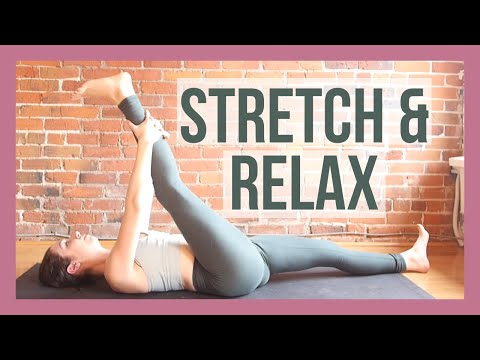
11. Try Stretching
Stretching is a great way to ease tension, improve blood flow and help you feel more relaxed before bed. With all of that stress and tension out of the way, you can get into a deep state of relaxation, making it easier to fall asleep.
Your nightly stretching routine doesn’t have to be complicated either.
Sleep can be elusive when we have so many things on our minds. Calming your mind and letting your thoughts drift away can help you slip into a state of relaxation that makes it easy to fall asleep.
Like stretching, meditation can help ease tension and stress.
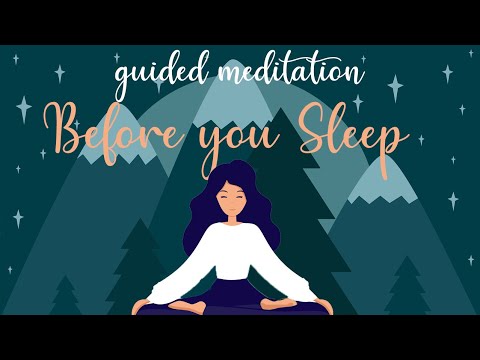
If you’re new to meditation, you may find it easier to use a guided meditation practice to help you learn the ropes.
Here’s a guided meditation to help you get started:
Winding down for the night is an integral part of the sleep process. Use these tips to help you get into a more relaxed state before turning in for the night.
Mindful living can be challenging for us modern humans. We go through the motions, and we’re constantly bombarded with distractions that take us out of the present moment. A recent study found that 96% of participants were living their daily lives on autopilot.
We get up, go to work or school, come home and watch TV or stare at our phone screens until it’s time for bed. Then, we wake up and do it all over again. Of course, this isn’t true for everyone, but it’s a common story for people across the world.
Learning how to be more mindful in your everyday life can help you truly live in and enjoy the present moment. Although challenging, you can learn how to live mindfully. Here’s how.
7 Simple Tips for Mindful Living
1. Do Less
In today’s world, we value busyness above all else. If we’re not doing something or going somewhere, we must be wasting valuable time, right? This planet is full of human DOings and not enough human BEings.
If you want to live more mindfully, declutter your mind and live a healthy lifestyle, do less. It’s okay to say “no.” It’s okay to do nothing. Give yourself permission to just be in the moment without judgment or expectations.
When you have less on your plate, you have more time for being in the present moment.
2. Lower Your Expectations
If you’re like most people, you probably make plans and set goals. Maybe you expect things to go a certain way or for life to pan out exactly as you mapped it out.
Let’s say that you’re planning a trip to Europe. You have hopes and expectations of seeing all of these beautiful things and meeting new people. But during your trip, you encounter bad weather, your partner gets sick, and you wind up spending half the trip stuck in a hotel room. Your high expectations leave you feeling disappointed and angry. This was supposed to be the trip of a lifetime.
Expecting what life cannot give us is a surefire way to be disappointed. To live more mindfully, lower your expectations. Better yet, throw them out of the window. Because when you have an idea of how things should go, you’re only living in the future instead of living in the moment.
When you have no expectations, life becomes an adventure. You never know what’s around the corner, and you adapt to change without missing a beat.
3. Ditch the Distractions
The average person now spends 4.2 hoursper day using apps on their phones. That’s up 30% from 2019. In some parts of the world, people spend an average of 5 hours a day on their phones. This doesn’t include the amount of time people spend streaming TV and movies or watching television.
We are living in a world of distractions and information overload. It can be challenging to stay rooted in reality and the present moment when distractions are just a tap away.
To live mindfully, ditch the distractions. I’m not asking you to throw your phone out the window or cancel your Netflix subscription (although you can if you want!). But be mindful of the time you’re spending on these things.
Put away your phone when you’re eating with your family. Instead of spending hours playing games on your phone, give yourself 20-30 minutes. Be with the people you love.
Limiting your screen time and eliminating as many distractions as possible will help you be mindful of every moment. Because you can’t be present if you’re constantly trying to escape reality.
4. Connect to Your Senses
Your body is equipped with five incredible senses. Use them to ground you in the present and be aware of each moment. After all, the practice of mindfulness is all about being aware of all the sensations, smells, sounds, tastes and sights in the world around you.
How can you connect with your senses? Do a body scan.
Pay attention to your breathing (a.k.a. mindful breathing). Feel the ebb and flow of each breath. Notice any feelings that come through. Be aware of the sound of your breath. Conscious breathing is a powerful mindfulness practice.
Observe the world around you. What do you see?
Listen closely to the sounds around you. What do you hear?
What do you smell or taste?
Going through each individual sense can help you really become fully immersed in the moment. Make this a part of your regular practice to pull yourself into the present when you’re feeling distracted or moving on autopilot.
5. Accept and Observe Discomfort
The mindful life is all about being aware of and observing the present moment, and that includes negative emotions. As much as we would like to believe that life is rainbows and butterflies, it’s not. It can be hard to accept discomfort because our natural reaction is to find a way to escape it.
But life is not always easy or even enjoyable. It can be tough – grueling even. We grieve. We hurt. We get sick. Our loved ones pass on and leave us behind. Instead of running away from discomfort, pain or emotion, accept it. Observe it. In fact, open the door and welcome those difficult emotions. Acknowledge them, and then let them go.
The mindfulness practice, or meditation in general, you learn how to put space between yourself and your negative emotions and thoughts. You accept and observe discomfort without attachment or judgment.
The next time you feel sad, angry or anxious, pause for a moment and just allow your emotions to roll over you like a wave. It takes time, practice and patience to the art of mindful living, so be kind and patient with yourself as you learn how to accept discomfort.
6. Practice Gratitude
When you practice gratitude, you become mindful of all the wonderful things in your life. So, before you go to bed tonight, take a moment to identify three things you’re grateful for. You can write these things down in a journal if you like, but that’s not necessary. Just reflect on the day and express your appreciation in life. Make gratitude a daily habit.
In addition to helping you live more mindfully, gratitude can also help:
Gratitude is a powerful thing, and it helps you become keenly aware of your blessings, which can have positive effects on your mental health.
7. Shake Things Up
If you want to learn how to become mindful, shake up your usual routine.
Take a new route home
Try a new restaurant
Strike up a conversation with a stranger
Breaking patterns and getting out of your usual routine anchors you to the present moment. Because when you’re just going through the motions and doing the same thing day in and day out, you’re living on autopilot. Tiptoe out of your comfort zone and notice how something as small and simple as changing your route home from work can bring you to the present moment.
Why does this happen? Because when you’re doing something new, you don’t know what to expect. When you venture into the unknown, you must be alert and aware of the world around you so that you can act accordingly.
Mindful Living is an Art and Science
Although it’s difficult to master the art of mindful living, it’s well worth the effort. Because when you do, you find beauty, contentment and peace of mind regardless of what’s going on around you. Use these mindful living tips to start living in the present.